The Bees Kept by the Maya Civilization: Melipona beecheii
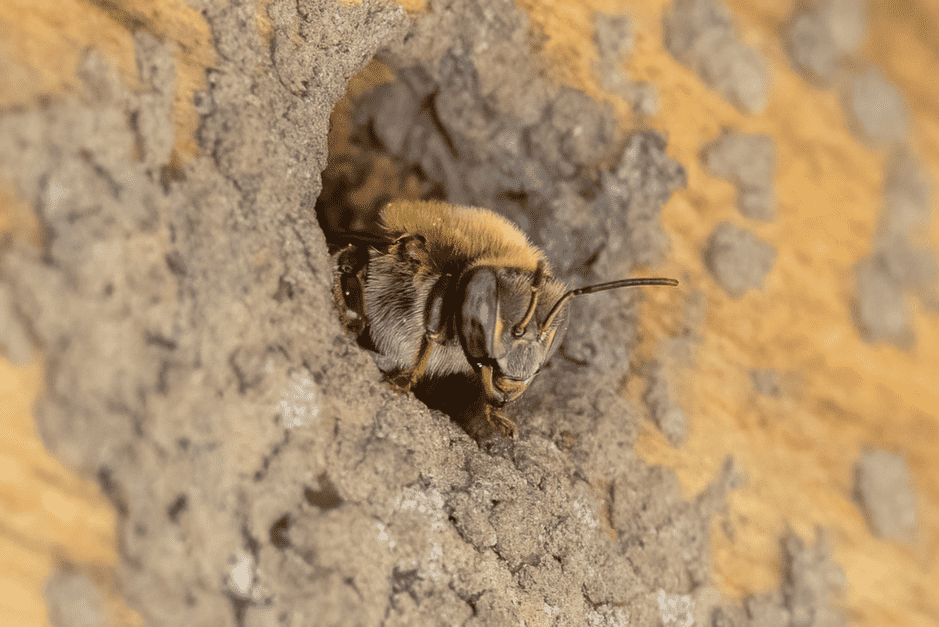
Deep in the jungles of the Yucatán Peninsula, a tiny group of stingless bees has quietly shaped history for more than three thousand years. These bees kept by the Maya civilization played a significant role not just for honey production, but for medicine, religion, and the very structure of the world as the Maya understood it.
This story begins in the forests of southern Mexico, where Maya beekeeping was already thriving long before pyramids rose at major Maya sites.
A Bee Unlike Any Other
The bee at the center of this story is Melipona beecheii, one of several melipona bees native to Mesoamerica. Known in the Yucatec Maya language as xunan kab, it translates to "royal lady bee."
Unlike European honeybees such as Apis mellifera, these stingless bees cannot sting. They produce far less honey, but what they produce — melipona honey — is chemically unique and highly valued for its medicinal properties.
For the ancient Maya, this bee species was not interchangeable with other bees. It was sacred. In fact, it was considered second in importance only to corn itself — an extraordinary status that reflects just how deeply woven these bees were into every dimension of Maya life.
Ancient Maya Beekeeping
Ancient Mayan beekeeping used an elegant form of ancient technology that still survives today. Bees were kept in hollowed-out logs or hollow trees, laid horizontally and sealed at both ends with a stone or ceramic plug. Each end plug had a central hole that allowed bees to enter and exit the hive.
.png)
These log beehives, called jobones, were often stored near homes or ceremonial spaces. The bees built their nests inside the hollow logs, producing honey and wax without human disturbance.
This form of traditional beekeeping — sometimes described today as stingless bee farming — allowed Maya families to practice beekeeping sustainably while protecting wild stingless bees and local crops. When Spanish explorer Francisco Hernández de Córdoba arrived in the Yucatán in 1517, he encountered not a modest cottage industry but a thriving civilization-scale economy: bee yards holding thousands of log hives, producing enough honey to be traded across all of Mesoamerica.
More Than Honey: Religion, Medicine, and the Cosmos
For the Maya, collecting honey was inseparable from religion. Honey and wax were used in religious ceremonies, religious activities, and healing rituals. Bees were believed to connect the human world with the divine.
At the center of this belief was Ah Muzen Cab, the Maya god of bees and honey. Believed to have gifted Melipona beecheii to the Maya people as a divine endowment for sustenance, medicine, and ritual, he is consistently depicted in carvings upside-down — a pose that may link him to "the Descending God," whose striking temple still stands at Tulum, its doorway framing the image of a divine figure diving headfirst from the sky. Some scholars also connect these bees to Xbalanque, one of the Hero Twins of Maya creation mythology, suggesting their significance reached into the very foundations of how the Maya understood the cosmos.
.png)
The famous Madrid Codex, one of the few surviving books from the Maya world, contains detailed illustrations of bees, beekeepers, and male and female deities associated with honey, rain, and fertility. Bees appear alongside incense burners, offerings, and ritual calendars — clear evidence of their religious purposes.
Harvesting the honey was itself a liturgical act. Twice a year, priests would lead ceremonies before the hives were opened, gathering with beekeepers to make offerings to the gods. These were not informal occasions but structured religious festivals woven into the Maya calendar.
.png)
Balché: The Sacred Honey Mead
One of the most remarkable uses of melipona honey — and one largely overlooked today — was in the making of balché, a ritual mead brewed from honey, water drawn from sacred cenotes, and the bark of the balché tree. Consumed at the close of religious ceremonies, it served as medicine, social bond, and sacred intoxicant all at once.
The Spanish understood balché as a direct obstacle to Christianization, and their response was dramatic: they attempted to eradicate the balché tree itself across the Yucatán. The drink survived anyway, quietly continuing in indigenous communities long after the conquest.
Medicinal Honey and Indigenous Knowledge
Melipona honey was prized for treating wounds, infections, digestive problems, respiratory illness, and eye conditions. Modern studies now confirm its antimicrobial effects, validating what indigenous people and indigenous farmers in Mayan communities have known for centuries.
Unlike modern honeybees, melipona bees preferentially forage on native plants, giving their honey distinct medicinal value and reinforcing their importance as local pollinators.
Disruption After the Spanish Conquest
Everything changed during the Spanish colonial period.
Following the Spanish conquest, European settlers introduced European bees — specifically Apis mellifera — ushering in modern apiculture focused on high-volume honey production. Traditional stingless beekeeping declined as European honeybees became dominant. The suppression of balché, the disruption of religious ceremonies, and the collapse of trade networks all compounded the damage.
By the late colonial period, melipona populations were severely reduced, surviving mainly in rural areas of the Yucatán Peninsula, including Quintana Roo, and among local communities who quietly preserved the tradition.
Survival and Revival
Despite centuries of decline, melipona bees were never completely lost. Today, bees farmed using modified traditional techniques are helping revive Maya beekeeping.
Across Mexico, from the Yucatán Peninsula to protected areas in Belize, beekeepers are restoring hives, protecting native stingless bee species, and teaching new generations about stingless beekeeping.
This revival is both ecological and cultural. It reconnects indigenous Yucatec communities with their past and reasserts indigenous knowledge in a modern world.
.png)
Why These Bees Still Matter
Melipona bees are vital not only for the ecosystems they inhabit but also for human societies.
They are exceptional pollinators of wild plants, tropical fruits, and important crops such as cacao, coffee, and guava, supporting biodiversity and sustainable agriculture.
For the Maya, these bees were revered as teachers, healers, and messengers between worlds — gifted by a god, brewed into sacred drink, harvested in priestly ceremony, and woven into the very story of creation. In a modern era of declining pollinator populations and industrialized agriculture, the survival of Melipona bees is a powerful reminder that sustainable coexistence with the natural world is not a new concept but rather an ancient and important one.