Melipona Bees: Preserving the Ancient Art of Stingless Beekeeping
.avif)
You can help by supporting Melipona beekeepers, choosing eco-friendly activities, and promoting practices that are safe for all pollinators. Every small action makes a difference. When we protect the “royal lady bee,” we help keep a beautiful cultural heritage alive and ensure that future generations can enjoy and learn from these remarkable creatures.
Melipona bees are stingless bees native to the Yucatán Peninsula, known for their deep roots in Mayan culture. They produce unique medicinal honey and are crucial for pollination. This article explores their importance, unique traits, and conservation efforts.
Key Takeaways
- Melipona bees have deep cultural and historical significance in Mayan society, playing vital roles in rituals, agriculture, and traditional medicine.
- Despite their docility and unique social structure, Melipona bees face serious threats from habitat loss, climate change, and pesticide use.
- Conservation efforts and supporting local beekeepers are crucial for preserving Melipona bee populations and the ancient art of beekeeping in the Yucatán Peninsula.
The Role of Melipona Bees in Mayan Culture
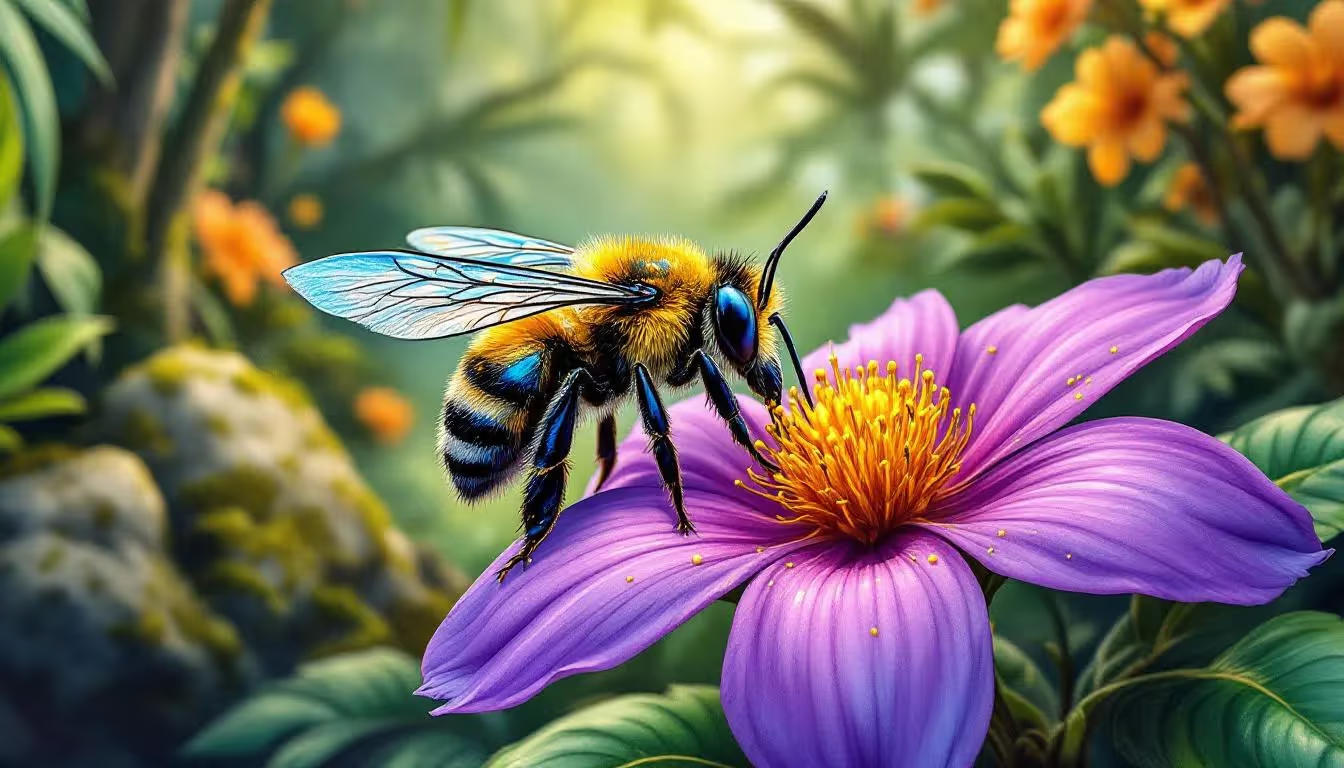
For over three thousand years, Melipona bees have held a significant place in Mayan culture, representing much more than just a source of honey. These stingless bees, often called Mayan bees, have been bred by Maya communities to maintain populations vital for their survival. Deeply embedded in tradition and spirituality, the relationship between the Maya people and these bees is profound, with the bees playing key roles in rituals, nutrition, and agriculture.
Until the arrival and later spread of European honeybees (Apis mellifera) in the late 19th/early 20th century, Melipona and other stingless bees were the principal bees kept for honey and wax in the Yucatán. Known for its unique taste and medicinal properties, this honey was a staple in traditional Mayan diets and Mayan healing remedies. Ancient Mayan priests harnessed the therapeutic qualities of melipona honey, using it in various rituals and medicinal practices.
Ancient texts like the Trocortesian and Madrid codices document the importance of these bees, highlighting their value in Mayan society. These codices offer insight into how deeply intertwined the bees were with the daily lives and spiritual practices of the ancient Maya. Their role in pollination underscores their significance, fostering mutualistic relationships with flowering plants and ensuring the health and productivity of crops.
Today, Yucatán remains a hub for melipona producers, reflecting the enduring practice of meliponiculture in the region. This beekeeping is a cultural heritage that continues to thrive, connecting the Maya people to their ancestors and sustaining the rich traditions of Mayan culture, including ah mucen kab. Preserving these cultivated bees and their practices is vital for maintaining the ecological and cultural balance of the region, as well as the cultivation of traditional knowledge.
Understanding Melipona Beecheii
Melipona beecheii, the species at the heart of Melipona beekeeping, is a remarkable example of nature’s ingenuity. Found primarily in tropical forests, these stingless bees thrive in both humid and arid environments, adapting to a range of conditions. One of the most striking features of Melipona beecheii is their absence of a stinger, which makes them uniquely docile and easier to manage compared to other bee species.
The queen bee in a Melipona colony is easily distinguishable by her longer and slimmer body. She is the heart of the hive, responsible for laying eggs and regulating hive activities through her pheromones. Interestingly, Melipona beecheii colonies sometimes overproduce virgin queens; workers may attack and remove surplus queens — a behaviour documented in behavioural studies of the species
Inside the hive, a clear division of labor exists among the bees. Workers either specialize in single foraging or multiforaging, gathering nectar, pollen, and other resources essential for the colony’s survival. These bees have a highly organized social structure, with roles and tasks allocated based on the colony’s needs and the workers’ ages.
Despite lacking a stinger, Melipona bees have developed effective defensive mechanisms. They rely on biting and coordinated attacks using pheromone signals to protect their hive.
This intricate social and biological framework highlights the resilience and adaptability of Melipona beecheii, making them a wonderful and amazing subject for any pollinator advocate.
Life Inside a Melipona Hive
Life inside a Melipona hive is a marvel of natural engineering and social organization. At the center of this microcosm is the queen bee, whose primary role is to lay eggs and regulate hive activities through her pheromones. Her presence ensures the colony’s continuity, orchestrating the swarming process and maintaining harmony within the hive.
Worker bees, the backbone of the colony, perform various tasks throughout their lifespan. Young workers start by cleaning the hive and nursing the young, gradually transitioning to foraging roles as they age. This dynamic role allocation ensures that the hive functions smoothly and efficiently, with each bee playing an important role in the colony’s well-being.
Drones, the male bees, have a singular purpose: to mate with virgin queens. Once they fulfill this role, they do not contribute further to the hive’s activities. The hive is often built in protected environments like tree hollows or abandoned insect nests, providing shelter from predators and harsh weather.
Despite lacking stingers, Melipona bees are not defenseless. They use biting and pheromone signals to ward off intruders. This non-aggressive yet effective defense mechanism, combined with their organized social structure, makes life inside a Melipona hive a fascinating and complex system worthy of admiration.
Threats to Melipona Bee Populations
Melipona bees, like many other pollinators, face numerous threats to their survival. Deforestation, which drastically reduces their natural habitat, is a major challenge. As forests are cleared for agriculture and urban development, the bees lose essential trees and plants for nesting and foraging.
Climate change exacerbates this issue by altering the bees’ habitats and food sources. Changes in temperature and weather patterns can disrupt the delicate balance of their ecosystems, impacting their reproduction and survival rates.
Pesticides pose a significant threat as they can disrupt foraging behavior and weaken rare bee colonies, making them more susceptible to disease and decline.
Melipona populations and traditional meliponiculture have suffered significant local declines in parts of the Yucatán, driven by habitat loss, land-use change, and competition, though the magnitude of loss varies by study and region.
Human-induced changes and environmental issues continue to pressure these crucial pollinators, highlighting the urgent need for conservation efforts to sustain Melipona bee populations.
Conservation Efforts for Melipona Bees
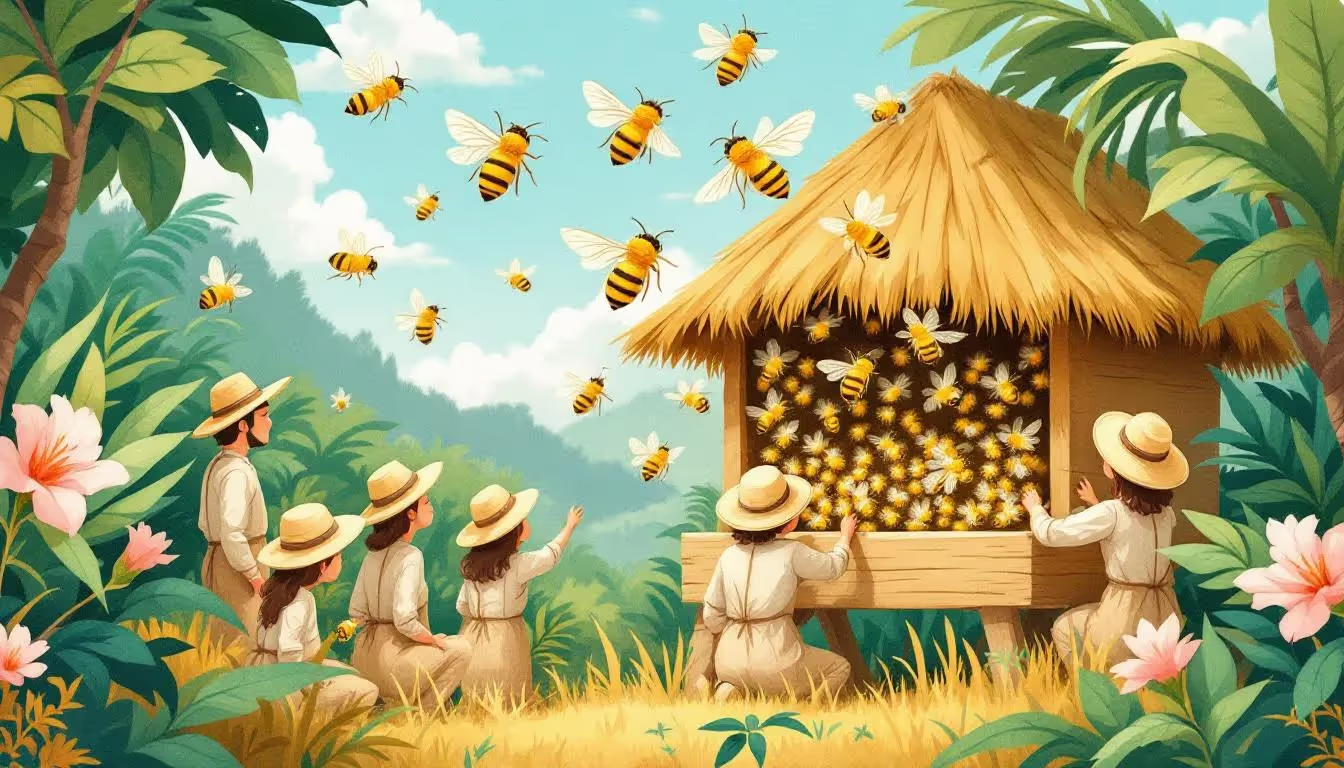
In response to the alarming decline in Melipona bee populations, various conservation efforts have been initiated to protect and preserve these vital pollinators. Donations play a crucial role in creating bee yards that help maintain healthy populations of Melipona bees. These designated areas provide a safe haven where bees can thrive and reproduce without the threats posed by deforestation and pesticides.
Local conservation efforts also strengthen community commitment to preserving Melipona bees and their habitats. Involving local communities in these initiatives fosters a greater sense of ownership and responsibility toward conservation. Recognized as the Pollinator Advocate of the Year for Mexico by the North American Pollinator Protection Campaign, the project’s impact is significant, highlighting the importance of a pollinator partnership.
Supporting Melipona beekeepers through fair trade practices helps preserve ancient Mayan traditions and ensures the sustainability of these practices. Purchasing products from the Mayan Melipona Bee Sanctuary directly supports local artisans and the preservation of ancient beekeeping methods. By fostering these efforts, we can sustain Melipona bee populations and protect the rich cultural heritage they represent.
Melipona Beekeeping Practices
Meliponiculture, the ancient practice of beekeeping with stingless bees, has a long history in the Yucatán Peninsula. For the Maya people, Melipona beekeeping is not just a livelihood but a way of life connecting them to their ancestral heritage. This practice has evolved, adapting to modern influences while still honoring traditional methods passed down through generations.
Extensive knowledge about their care and habits is essential for keeping Melipona bees. Common materials for housing stingless bee hives include natural logs or boxes, providing the necessary protection and environment for the bees to thrive. Optimal honey production requires a flower-rich environment since Melipona bees depend heavily on the availability of floral resources.
Maya beekeepers consider cardinal points when locating a hive, as the direction of the hive entrance can influence honey production. Facing the hive entrance east is believed to lead to better honey yields. However, without access to enough flowers, the hive will perish, highlighting the delicate balance required for successful Melipona beekeeping.
The introduction of modern apiculture with European honeybees in the twentieth century negatively impacted Melipona bee populations. Despite this, traditional Melipona beekeeping practices continue to thrive, thanks to the dedication of Maya beekeepers committed to preserving their cultural heritage and the ecological balance it supports.
The Healing Properties of Melipona Honey
Melipona honey is not just a sweet treat; it is a potent elixir with remarkable medicinal properties. Key points about Melipona honey include:
- Ancient Mayan healers recognized its healing potential and used it extensively for therapeutic purposes, as documented in texts like the Madrid (Tro-Cortesian) Codex and other ethnographic sources.
- It is produced by stingless Melipona bees.
- The honey possesses antibacterial and antifungal qualities.
- It is highly effective for treating wounds and burns.
Rich in antioxidants and nutrients, Melipona honey helps strengthen the immune system and combat various health issues. Its anti-inflammatory properties make it beneficial for alleviating digestive issues such as stomach ulcers and respiratory conditions like sinusitis and laryngitis, making it a great choice to eat.
Additionally, Melipona honey supports skin health due to its moisturizing and antioxidant properties, making it a valuable ingredient in natural skincare. The unique medicinal benefits of Melipona honey underscore the importance of preserving Melipona bee populations. Protecting these bees and their habitats ensures the continued availability of this extraordinary natural remedy, a cornerstone of Mayan healing for centuries.
Supporting Melipona Beekeepers
Supporting Melipona beekeepers is crucial for sustaining Melipona bee populations and preserving the ancient art of Melipona beekeeping. Purchasing products from projects like the Mayan Melipona Bee Sanctuary directly aids local beekeepers and artisans, providing them with the resources needed to continue their practices. This support helps maintain ecological balance and empowers local communities, fostering development and sustainability.
The Mayan Melipona Bee Sanctuary focuses on empowering women by providing resources to start honey cooperatives, promoting gender equality and economic independence within these communities. The magic honey produced by the pure mayan bee sanctuary is harvested sustainably, reflecting a commitment to ecological balance and fair trade.
Engaging in eco-tourism at bee sanctuaries also helps empower local beekeepers and fosters community development. Visiting these sanctuaries contributes to the preservation of Melipona bees and supports the traditional practices that have sustained the Maya people for generations.
Visiting a Mayan Melipona Bee Sanctuary
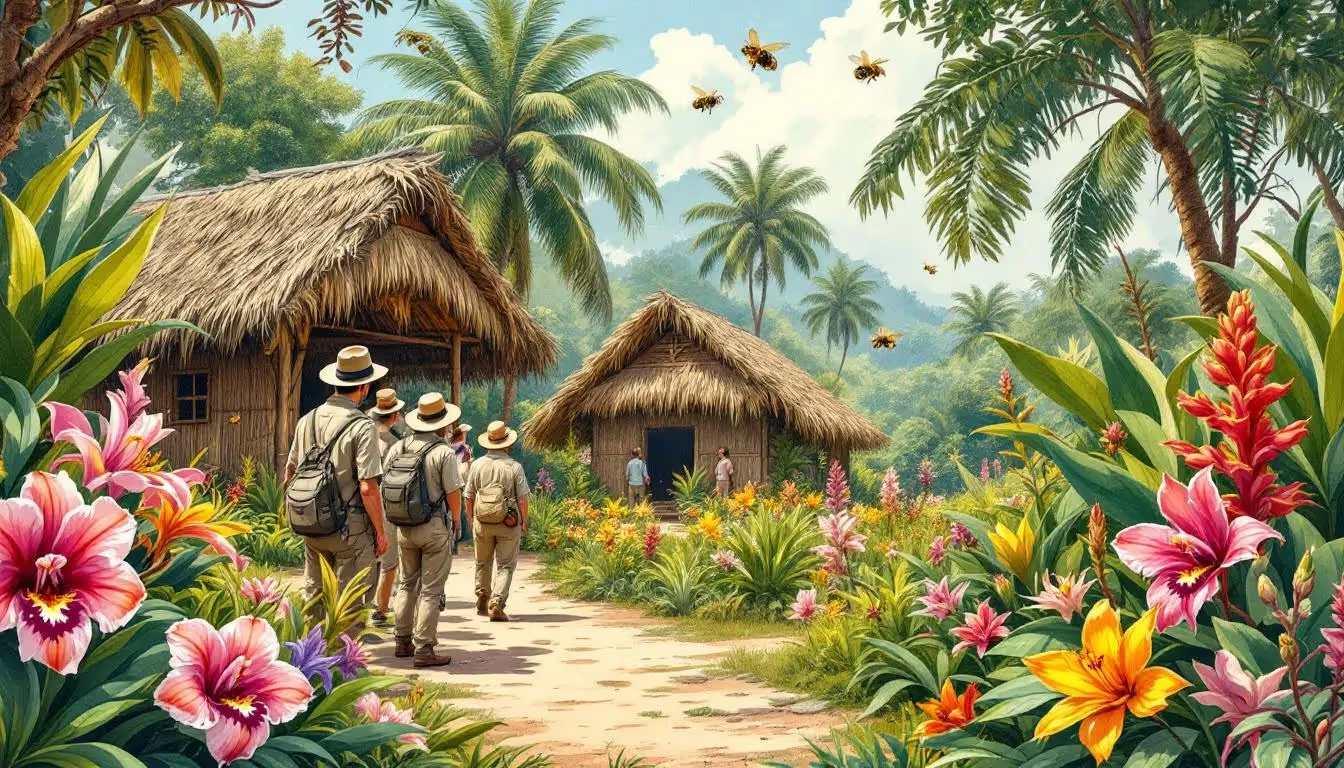
Visiting a Mayan Melipona Bee Sanctuary offers a unique opportunity to immerse yourself in the rich heritage of Maya culture and the fascinating world of Melipona bees. During an ecotour, visitors can:
- Learn about the history, tools, and techniques used for collecting honey, pollen, and propolis.
- Participate in educational programs that include traditional Mayan practices and rituals associated with beekeeping.
- Gain a deeper understanding of the cultural significance of these bees.
Honey tasting events at the sanctuary showcase the various flavors of melipona honey, each reflecting the unique floral sources available to the bees. Visitors can also participate in wax candle workshops and hive management activities, gaining hands-on experience in sustainable Melipona beekeeping.
The sanctuary project aims to combat the decline of Melipona bee populations by establishing new sanctuaries and promoting conservation efforts. By visiting a sanctuary, you not only enjoy a memorable experience and rest but also contribute to the preservation of these crucial pollinators and the cultural heritage they represent.
How You Can Help Protect Melipona Bees
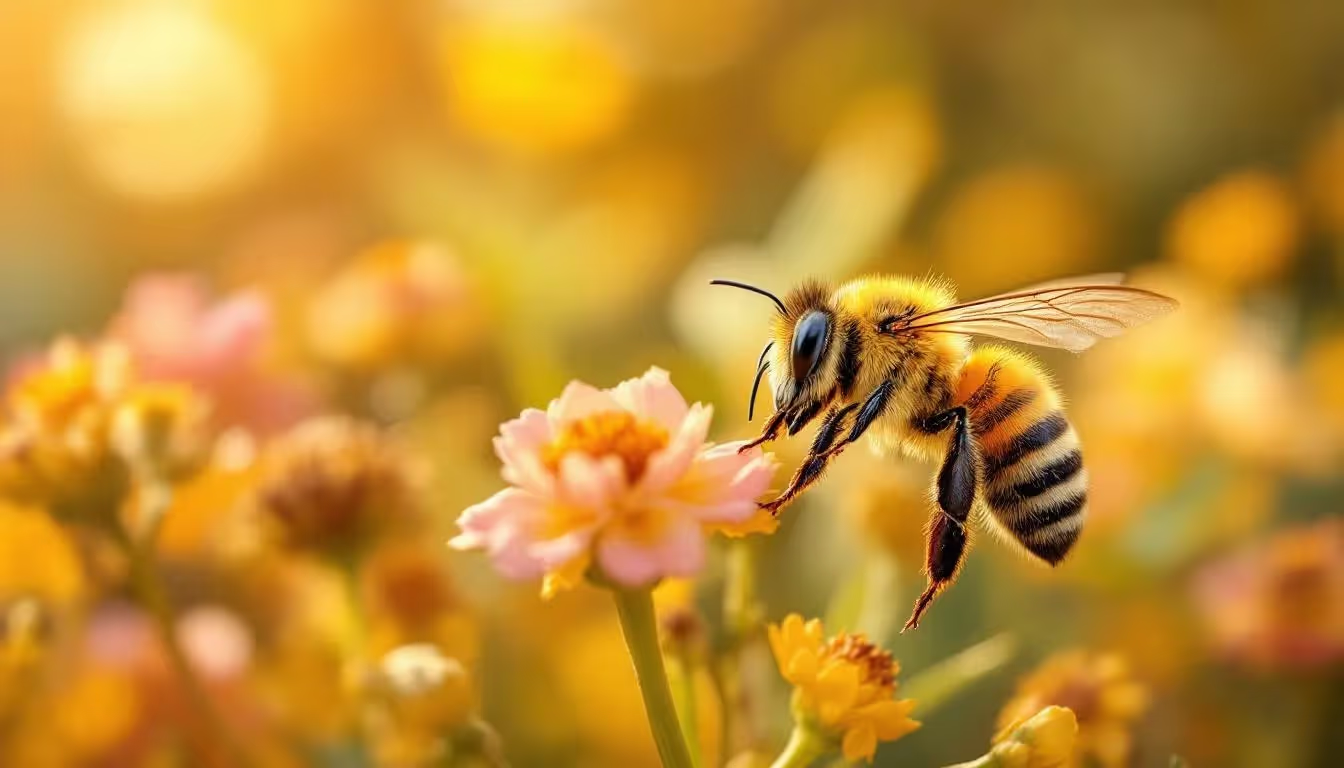
Protecting Melipona bees requires collective effort and commitment to sustainable practices. One of the simplest ways you can contribute is by engaging in bee-friendly gardening:
- Plant native flowers.
- Avoid chemical fertilizers to create habitats that support healthy Melipona bee populations.
- Cultivate a garden that blooms throughout the year to provide a diverse range of floral resources and necessary food sources for the bees.
Advocating for sustainable agricultural practices is another significant way to help. By supporting organic farming and reducing pesticide usage, we can create a safer environment for Melipona bees and other pollinators. Joining local conservation efforts that promote bee-friendly practices and sustainable farming can also make a substantial impact. These initiatives often involve community education, habitat restoration, and policy advocacy, all of which are crucial for the long-term survival of Melipona bees.
Your involvement, no matter how small, can make an extraordinary effort to make a difference. Whether it’s through gardening, supporting sustainable agriculture, or participating in conservation projects, your actions help protect these incredible bees and the rich cultural heritage they represent. Together, we can ensure that the royal lady bee continues to thrive for generations to come.
Frequently Asked Questions
What is special about Melipona honey?
Melipona honey is special because it comes from stingless bees and boasts impressive healing properties, including antibacterial and antifungal effects. This makes it a great natural remedy for treating wounds, burns, and stings.
Can you eat Melipona honey?
Absolutely, you can eat Melipona honey! It's not only delicious but also great for soothing sore throats and coughs.
Why is Melipona honey considered special?
Melipona honey is special because it boasts powerful antibacterial, antifungal, and anti-inflammatory properties, making it fantastic for wound healing and health benefits. Plus, it’s packed with antioxidants and nutrients that contribute to overall wellness.
How can I support Melipona beekeepers?
You can easily support Melipona beekeepers by buying products from places like the Mayan Melipona Bee Sanctuary, getting involved in eco-tourism, and promoting fair trade practices. It makes a real difference for these local communities!
What are the main threats to Melipona bees?
Melipona bees face significant threats from deforestation, climate change, and pesticide use, which harm their habitats and food supply. It's crucial to protect these important pollinators for our ecosystems.