Melipona Bees: Preserving the Ancient Art of Stingless Beekeeping
Melipona bees are much more than pollinators; they are a key part of Maya culture and a living example of the ancient tradition of stingless beekeeping. Their history, their unique way of living inside the hive, and the challenges they face today all show how important they are for both people and the environment. Protecting them is essential if we want their special honey and its healing qualities to remain available in the future.
.avif)
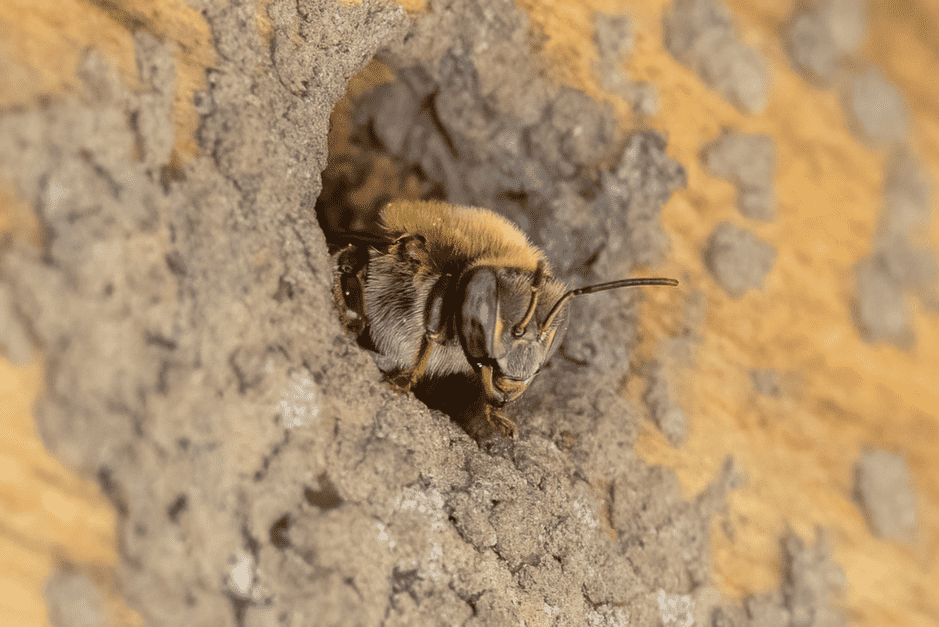
The Bees Kept by the Maya Civilization: Melipona beecheii
Dive into the ancient art of Maya beekeeping and uncover why these tiny creatures are still shaping life today.
Discover the story of Melipona beecheii, the “royal lady bee,” whose legacy survived conquests, centuries of decline, and even the attempts of colonial powers to erase it. From sacred meads to cosmic myths, this is a tale of bees, gods, and a civilization’s connection to nature.
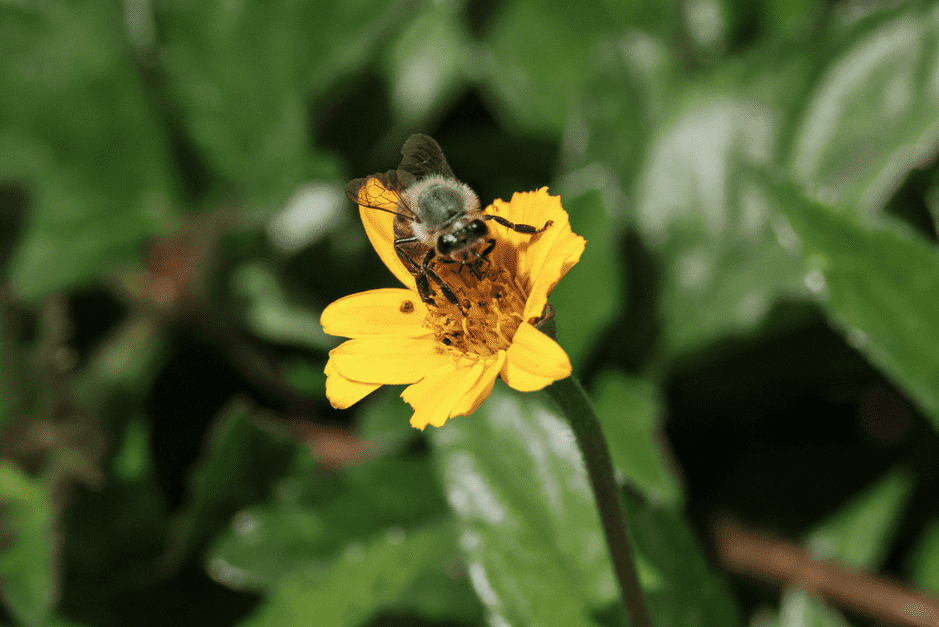
The Role of Stingless Native Bees in the Amazon
What do stingless bees have to do with the future of the Amazon? This article explores how meliponiculture, guided by the experience of Daniel López and local communities, is becoming an unexpected ally for conservation and rural development.
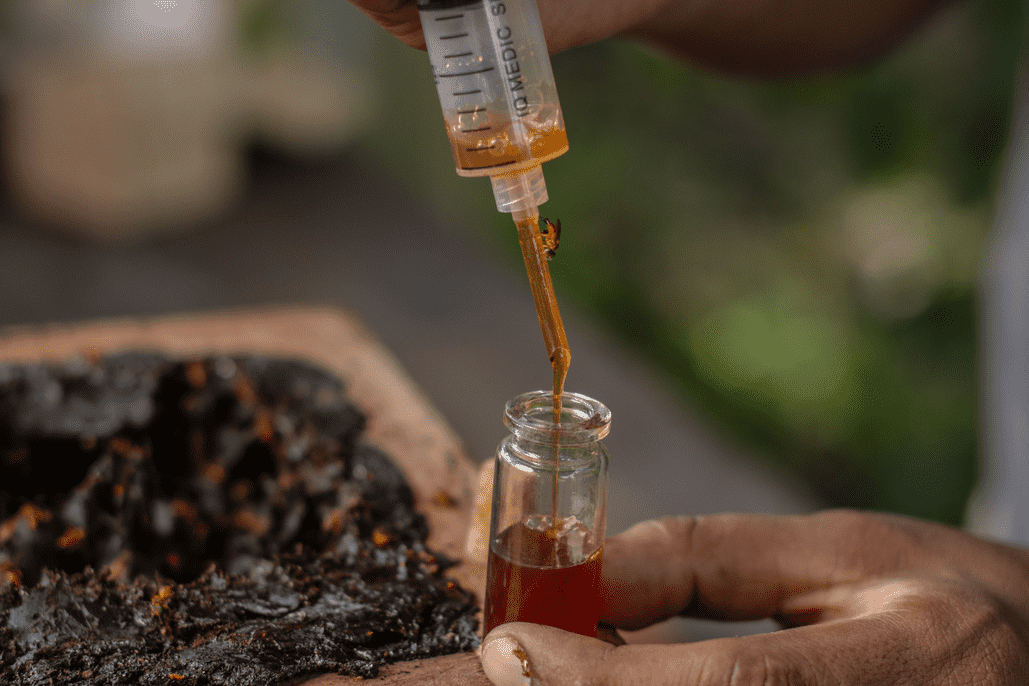
5 Amazing Benefits of Melipona Honey You Need to Know
If you’ve ever heard about melipona honey, you might already know it’s not your typical sweetener. Produced by Melipona bees, a fascinating species of stingless bees, this honey is considered a natural powerhouse with unique properties that make it more than just a natural sweetener. From wound healing to enhancing overall well-being, let’s dive into the top 5 benefits of melipona honey and why you might want to start consuming honey daily.

The Story of Melipona Bees: Heritage, Honey, and Conservation
Melipona bees are tiny, stingless bees from the Yucatán, and they have shaped both the environment and Maya culture for centuries. Their honey is famous for being nutritious and naturally healing, and they are excellent pollinators because they visit many more plant species than common honeybees. For the Maya, these bees were sacred. Their honey was part of ceremonies, healing practices, and daily life. People also believed the bees carried messages between humans and the natural world. Traditional stingless beekeeping has survived through generations, and it remains an important cultural practice.
.avif)
Melipona Bees: Preserving the Ancient Art of Stingless Beekeeping
Melipona bees are much more than pollinators; they are a key part of Maya culture and a living example of the ancient tradition of stingless beekeeping. Their history, their unique way of living inside the hive, and the challenges they face today all show how important they are for both people and the environment. Protecting them is essential if we want their special honey and its healing qualities to remain available in the future.